

How Long Do GMC Sierras Last?
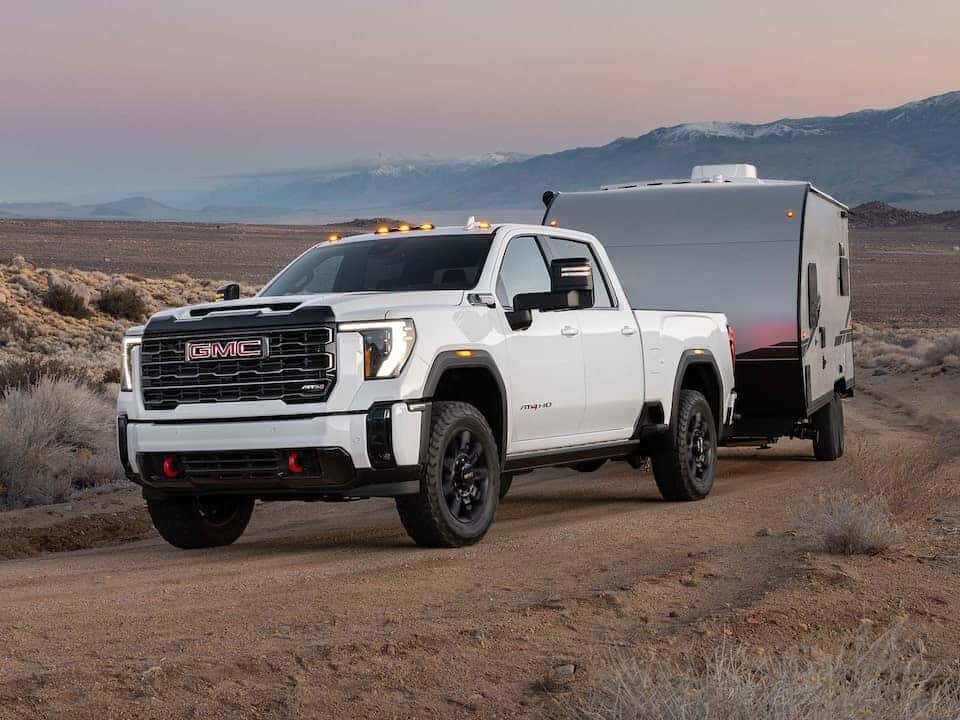
GMC Sierra Lifespan: GMC Sierra trucks typically last between 200,000 to 300,000 miles with proper maintenance and care. Many owners report reaching 15 to 20 years of dependable service, with exceptional examples exceeding 400,000 miles. The Sierra’s body-on-frame construction, high-strength steel components, and proven Vortec and EcoTec3 V8 engines contribute to its outstanding longevity in the full-size truck segment.
Thinking about buying a pickup truck? Knowing its expected durability and lifespan is key. At Ron Carter Chevy GMC in Alvin, TX, we help you make smart choices. We’ve put together a detailed guide based on real-world data on GMC Sierra longevity.
The GMC Sierra has earned a solid reputation in the truck world. It’s built on GM’s strong engineering, yet it stands out with its own unique features. Many things affect how long a truck lasts, like how well it’s maintained, where it’s driven, and the model year.
In this article, we’ll look at how different Sierra models compare. We’ll talk about how many miles you can expect and what keeps your truck running strong. You’ll get real insights into what makes some Sierra models last longer. We aim to give you all the info you need to know how long these trucks can last. For those needing heavy-duty capability, explore our Sierra HD inventory for trucks built for demanding work.
Understanding GMC Sierra Durability and Longevity
At Ron Carter Chevy GMC, we’ve seen how the Sierra’s design leads to years of service for our customers. The Sierra’s durability starts with careful design choices. Every part works together to make a truck that lasts.
The Sierra’s body-on-frame design is key to its longevity. This design separates the cab and bed from the frame. It makes the truck strong and able to handle stress and impact well.
GMC uses high-strength steel in important areas to make the truck last longer. This material helps the truck resist twisting and bending. So, the truck stays strong even after years of heavy use.
The Sierra’s drivetrain is built to handle tough jobs. Each part, from the transmission to the differential, is tested before it’s used. We’ve seen these parts work well for over 200,000 miles with proper care.
GMC’s quality manufacturing ensures every Sierra meets high standards. They use precise welding and advanced coatings to fight corrosion and wear. These efforts help the truck last longer.
| Durability Factor | Engineering Approach | Longevity Benefit | Real-World Impact |
|---|---|---|---|
| Body-on-Frame Design | Separate frame and body construction | Superior stress distribution | Maintains structural integrity over time |
| High-Strength Steel | Advanced alloy composition in key areas | Resistance to deformation | Prevents frame twisting and sagging |
| Drivetrain Engineering | Heavy-duty component specifications | Consistent power delivery | Reliable performance beyond 200,000 miles |
| Corrosion Protection | Multi-layer coating systems | Rust prevention in harsh climates | Preserves appearance and structure |
When we talk about GMC truck durability, we mean more than just mechanical reliability. It’s about the truck’s ability to stay functional, look good, and stay strong over time. This includes things like door hinges that work smoothly after a decade and bed floors that don’t dent or crack.
The design philosophy behind Sierra truck longevity has grown with each new generation. GMC learns from past models and makes improvements. This means newer Sierras are better than ever, thanks to years of testing and feedback.
Choosing the right parts is key to a truck’s longevity. GMC picks parts from suppliers who meet high standards. Every part, from the alternator to the suspension, is tested to last a long time.
Powertrain reliability is at the heart of the Sierra’s reputation. The engines and transmissions are tested in extreme conditions. This ensures they can handle any challenge owners face.
We know that truck durability means different things to different people. For work truck buyers, it’s about handling heavy loads and towing often. For personal use buyers, it’s about years of reliable driving with few repairs. The Sierra meets both needs.
The Sierra’s durability also affects its resale value. Used truck buyers know the Sierra can last a long time. This confidence comes from thousands of owners who’ve driven their Sierras over 150,000 miles.
At our Alvin dealership, we see the Sierra’s durability in action. Customers come back with their high-mileage Sierras, needing only routine maintenance. These examples show our confidence in the Sierra for long-term value and reliability.
How Long Do GMC Sierras Last: Real-World Mileage Expectations
Potential Sierra buyers want real numbers, not just marketing claims. Our analysis of thousands of reports shows impressive longevity. The GMC Sierra’s reliability goes beyond what many expect from a full-size pickup truck.
Knowing the Sierra mileage expectancy helps you make smart choices. The numbers we share come from real Sierra owners. They’ve documented their experiences across different model years and setups.
What Mileage Can You Realistically Expect
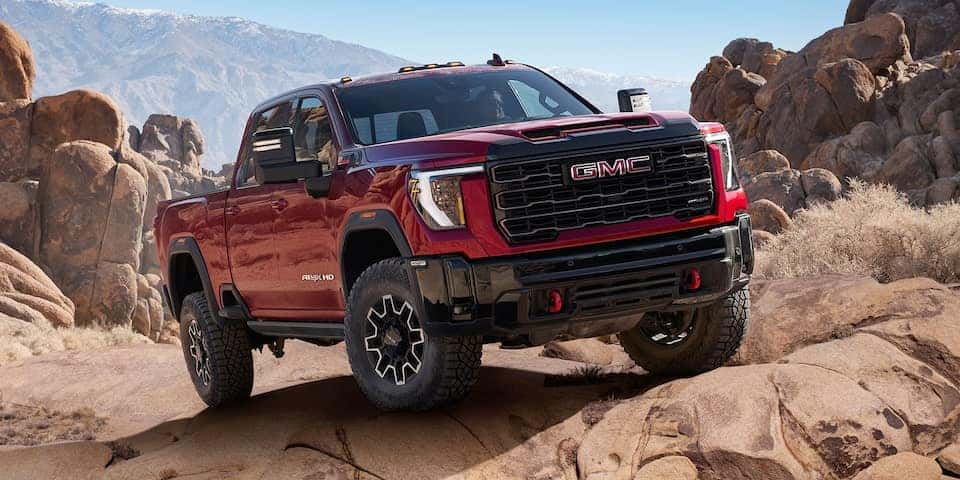
Most GMC Sierras reach 200,000 to 300,000 miles before needing major repairs. This range is typical for trucks that get regular maintenance and are driven normally. With proper care, many trucks go even further.
Regular maintenance is key to reaching these high mileage marks. Oil changes, transmission service, and cooling system checks are essential. Trucks that follow the manufacturer’s schedule often hit 250,000 miles without major issues.
The engine and transmission combo also affects durability. V8 Sierras, like those with 5.3L and 6.0L engines, are known for their reliability. They can serve well into the six-figure mileage range.
Sierras driven mostly on highways tend to last longer than those used for short trips or heavy towing. Highway driving is easier on the engine and drivetrain. This helps extend the truck’s life.
Here’s what you can expect from your Sierra based on maintenance level: 200,000-250,000 miles is the expected range for Sierras with standard maintenance, while 250,000-300,000 miles is achievable with diligent care and favorable conditions. Some owners reach 300,000+ miles with exceptional maintenance and appropriate usage. Generally, engines and transmissions typically outlast body and electrical systems in these trucks.
Years of Dependable Service
Looking at mileage in years gives another view of GMC Sierra reliability. Most owners can count on 15 to 20 years of service. This assumes average annual driving of 12,000 to 15,000 miles.
Your driving habits affect how long your Sierra lasts. Driving 20,000 miles a year means reaching 200,000 miles in 10 years. But driving 10,000 miles a year stretches that to 20 years.
Age also plays a role beyond just mileage. Rubber parts, seals, and gaskets wear out over time. Trucks driven longer may need more frequent replacements. Climate also affects aging.
When assessing a Sierra’s life, consider both age and mileage. A 15-year-old truck with 150,000 miles has different needs than a 7-year-old truck with the same mileage. The older truck may need more maintenance for age-related issues.
Exceptional Examples of Longevity
Some Sierra owners have gone beyond the usual, reaching 400,000 miles and more. These stories share common traits that help their trucks last longer. Knowing what these owners did can help you extend your Sierra’s life.
Consistent maintenance is key for these high-mileage trucks. Owners rarely skip oil changes or delay services. They see maintenance as an investment, not an expense.
Some configurations, like the 5.3L V8 engine, are more durable. The 4L60E and 6L80 automatic transmissions also show great longevity with proper care. Four-wheel-drive and two-wheel-drive models both achieve impressive mileage.
Highway-heavy usage is common among high-mileage Sierras. Long-distance drivers and salespeople accumulate miles quickly but wear their vehicles less than city drivers. The steady temperatures and speeds of highways promote longevity.
Original owners tend to get higher mileage than subsequent owners. They know their truck well and can address issues early. This continuity of care helps them notice and fix problems before they become big.
High-mileage owners often do repairs as preventive measures. Replacing the water pump, alternator, and starter at the right time prevents breakdowns. This approach helps extend the truck’s life by reducing stress on other parts.
Key Factors That Impact GMC Sierra Lifespan
Many things can affect how long your Sierra lasts. We’ve found the most important ones, from how you drive to the weather. Knowing these helps you keep your truck running strong for years.
Most of these factors you can control. While you can’t change the weather, how you drive and maintain your truck makes a big difference. Let’s look at each factor and how it affects your Sierra’s life.
Daily Use and Operating Patterns
How you drive every day affects your Sierra’s life. Driving on the highway is easier on your engine than city driving. This is because the engine stays at a steady speed and doesn’t get too hot.
Towing a lot and carrying heavy loads also wears out your truck faster. This is because it puts extra stress on the engine, transmission, and suspension. If you often tow to your truck’s limit, these parts will wear out quicker. Understanding how much the GMC Sierra 2500 HD weighs helps you make informed decisions about payload and towing capacity.
Driving gently is better for your truck. Gentle acceleration and gradual braking help your truck last longer. Hard driving, on the other hand, can wear out your engine and brakes faster.
Idling for too long is bad for your truck. It makes the engine work hard without moving, leading to problems. This is a big issue for work trucks that sit idle a lot.
Short trips are harder on a vehicle than long highway drives because the engine never reaches optimal operating temperature. This prevents proper oil circulation and moisture evaporation from the exhaust system.
Following Manufacturer Guidelines
Following the maintenance schedule is key to your Sierra’s life. GMC sets these schedules based on how long parts last. Sticking to them helps avoid big problems.
Regular maintenance is worth it. It keeps your engine clean and your transmission running smoothly. Skipping maintenance can lead to big problems down the road.
Not keeping up with maintenance can really hurt your truck. Skipping oil changes or other services can make your truck wear out faster. This can lead to expensive repairs or even a breakdown.
Sierra owners who keep up with maintenance tend to have trucks that last longer. They save money in the long run by avoiding costly repairs. Regular care is a smart investment.
Powertrain Configuration Considerations
The type of engine and transmission you choose affects your truck’s life. V8 engines are usually better for heavy-duty use because they handle tough tasks without too much stress. V6 engines are good for lighter loads but might not last as long.
The 5.3L V8 engine is known for being reliable and can go over 300,000 miles with good care. The 6.2L V8 is similar but is often used in performance trucks. V6 engines are best for lighter use.
Transmission choices also matter. The 6-speed automatics from 2007-2018 are very reliable. Newer 8-speed and 10-speed automatics are more efficient but don’t have as much history.
Four-wheel-drive systems add complexity that can affect your truck’s life. While GMC’s 4WD systems are generally reliable, they have more parts that need maintenance. Two-wheel-drive trucks are simpler and might last a bit longer.
Regional and Weather Influences
The weather where you live can affect your truck’s life. Salt in winter can cause rust, which can weaken your truck. This is a big problem in cold climates.
Extreme heat can also harm your truck. It can make fluids break down faster and stress electrical parts. This can shorten the life of your engine oil, transmission fluid, and coolant.
Humidity can damage your truck’s electrical systems. Moisture can corrode connections and harm sensitive electronics. Keeping your truck sealed and cleaning electrical contacts can help prevent these problems.
In Texas, the heat and occasional cold can be tough on your truck. Summer heat can damage fluids and stress your cooling system. Winter storms can also bring salt that can rust your truck.
Living near the ocean can also be hard on your truck. Salt in the air can corrode metal surfaces. Washing your truck regularly and using protective coatings can help protect it.
| Factor Category | Impact Level | Owner Control | Primary Effect |
|---|---|---|---|
| Driving Habits | High | Complete | Engine and transmission wear rates |
| Maintenance Adherence | Very High | Complete | Overall system longevity and reliability |
| Powertrain Choice | Medium | Initial Purchase | Load capacity and durability under stress |
| Climate Conditions | Medium-High | Limited | Corrosion rates and component degradation |
Knowing about these factors helps you take better care of your Sierra. The things you can control, like maintenance and driving, have the biggest impact. While you can’t change the weather, taking steps to protect your truck from it can help a lot.
GMC Sierra Lifespan by Generation and Model Year
Knowing your Sierra’s platform generation helps predict its long-term GMC Sierra reliability and maintenance needs. Each generation brings new engineering improvements, common issues, and durability characteristics. We’ve analyzed ownership data and maintenance patterns across all four major Sierra platforms to provide you with generation-specific insights.
The Sierra has evolved a lot, with each platform fixing past weaknesses and introducing new technologies. Knowing your truck’s generation helps you anticipate maintenance needs and set realistic longevity expectations.
GMT800 Platform: 1999-2006 Models
The GMT800 generation is the foundation of modern Sierra durability. These trucks have the legendary Vortec 5.3L and 6.0L V8 engines. They can reach 200,000 to 300,000 miles with proper maintenance. We see well-maintained GMT800 Sierras with over 250,000 miles running strong.
Common issues include instrument cluster failures, which happen between 100,000 and 150,000 miles. The 4L60E and 4L80E transmissions are generally reliable. Fluid changes every 50,000 miles extend their lifespan. Trucks from northern climates may have rust concerns, mainly around wheel wells and rocker panels.
These trucks are now 18 to 25 years old. Yet, many are in daily service. Their simple mechanical systems make repairs easy and affordable, contributing to exceptional GMC vehicle longevity.
GMT900 Platform: 2007-2013 Models
The GMT900 generation brought significant improvements in durability. These models have better engine technologies and more advanced transmissions. The 5.3L and 6.0L engines got Variable Valve Timing, improving performance and fuel efficiency.
Active Fuel Management (AFM) technology is in many GMT900 models. While it improves fuel economy, it can cause lifter failures if not maintained. We recommend AFM delete kits for trucks approaching 150,000 miles to prevent costly engine repairs.
Transmission performance improved in this generation. The 6-speed automatic is more durable than its predecessor. These trucks consistently reach 200,000 miles with fewer major repairs than earlier generations, showing enhanced GMC Sierra reliability.
K2XX Platform: 2014-2018 Models
The K2XX generation is a major leap forward in Sierra engineering. These trucks have aluminum hoods, refined interiors, and the introduction of the 8-speed automatic transmission in later years. Weight reduction improves fuel economy without sacrificing capability.
As these trucks age from 6 to 10 years, we see excellent reliability patterns. The 5.3L and 6.2L EcoTec3 engines show strong durability, with many examples exceeding 150,000 miles without major issues. Direct injection technology requires attention to carbon buildup, but regular maintenance prevents problems.
The 8-speed automatic transmission, introduced in 2015, shows promising longevity indicators. Early concerns about shifting behavior have largely been resolved through software updates. We expect these trucks to match or exceed the durability of previous generations.
T1XX Platform: 2019-Present Models
The latest Sierra generation showcases advanced technologies and updated chassis design. These trucks have improved aerodynamics, enhanced towing capabilities, and sophisticated driver assistance systems. While they’re relatively new, early indicators suggest excellent long-term prospects.
Build quality improvements are evident throughout the T1XX platform. The 10-speed automatic transmission delivers smooth operation and appears well-engineered for longevity. We’re observing fewer early-life issues compared to previous generation launches, which typically indicates strong long-term GMC vehicle longevity prospects.
Current reliability data through 5 years shows these trucks performing exceptionally well. Owners report minimal unscheduled maintenance needs beyond routine services. While it’s too early to confirm 200,000-mile durability, all indicators point toward these trucks meeting or exceeding expectations set by previous generations.
| Generation | Years Produced | Expected Lifespan | Common Strengths | Notable Concerns |
|---|---|---|---|---|
| GMT800 | 1999-2006 | 200,000-300,000 miles | Simple, durable Vortec engines; affordable repairs; proven reliability | Instrument cluster failures; rust in northern climates; aging electrical systems |
| GMT900 | 2007-2013 | 200,000-275,000 miles | Improved transmissions; enhanced refinement; VVT technology benefits | AFM lifter issues; some early transmission concerns; higher repair costs |
| K2XX | 2014-2018 | 200,000+ miles (projected) | Weight reduction; 8-speed transmission; modern features; strong reliability track record | Direct injection carbon buildup; higher complexity; more expensive technology repairs |
| T1XX | 2019-Present | 200,000+ miles (projected) | Advanced engineering; 10-speed transmission; excellent early reliability; improved build quality | Limited long-term data; complex electronics; premium repair costs for advanced systems |
Each generation offers unique advantages depending on your priorities and budget. Older GMT800 and GMT900 models provide proven durability at lower purchase prices. Newer K2XX and T1XX platforms deliver modern features with strong reliability indicators. Your choice should balance immediate needs with long-term ownership goals.
GMC Sierra vs. Competitor Truck Longevity Comparison
The full-size truck market has many strong contenders. We’ll see how GMC truck durability stacks up against top brands in real-world use. Each brand has its own way of building durable pickup trucks.
We’ve looked at owner reports, reliability surveys, and industry analysis. This gives you the facts you need to choose wisely.
Ford F-150 vs. GMC Sierra: Built to Last
The Ford F-150 is America’s top-selling truck for decades. It’s a natural comparison to the Sierra. Ford used aluminum body panels in 2015 to cut weight and boost fuel economy. The Sierra sticks with steel in most areas.
Ford’s EcoBoost engines are powerful and efficient. But, some owners worry about turbocharger issues after 150,000 miles. The Sierra’s V8 engines, like the 5.3L and 6.2L, are very durable. Many owners say these engines last over 200,000 miles with care.
Both trucks have reliable transmissions. Ford’s 10-speed and GM’s 8-speed and 10-speed are dependable. The F-150’s aluminum body fights corrosion better in harsh weather. But, the Sierra’s steel is easier and cheaper to fix after damage.
Ram 1500 vs. GMC Sierra: Longevity Showdown
Ram has improved its reliability, thanks to the 2019 redesign. The Ram 1500’s EcoDiesel engine is fuel-efficient and strong. But, diesel maintenance costs are higher than gas engines. The Sierra’s gas engines are cheaper to own in the long run.
Ram’s coil-spring rear suspension offers a smoother ride than the Sierra’s leaf springs. But, leaf springs need less upkeep over time. Both trucks have advanced tech and comfort features. Ram owners sometimes face more electrical problems than Sierra owners.
The Ram’s ZF 8-speed transmission is reliable, like GM’s options. Both trucks have better interiors now. Long-term, both can reach high mileage with proper care. But, the Sierra’s engines last longer.
Toyota Tundra vs. GMC Sierra: The Reliability Battle
Toyota’s Tundra is a strong competitor in durability. It uses conservative engineering for proven components. But, it’s behind in tech, fuel efficiency, and features.
The Tundra’s 5.7L V8 engine is legendary for reliability, often going over 300,000 miles without issues. The Sierra’s engines are also durable but have modern tech that adds complexity.
Both trucks are built to last but in different ways. The Tundra values simplicity and proven parts. The Sierra combines durability with modern features and efficiency. The Tundra holds its value better, but the Sierra is more affordable and fuel-efficient.
Chevrolet Silverado vs. GMC Sierra: Sister Trucks Compared
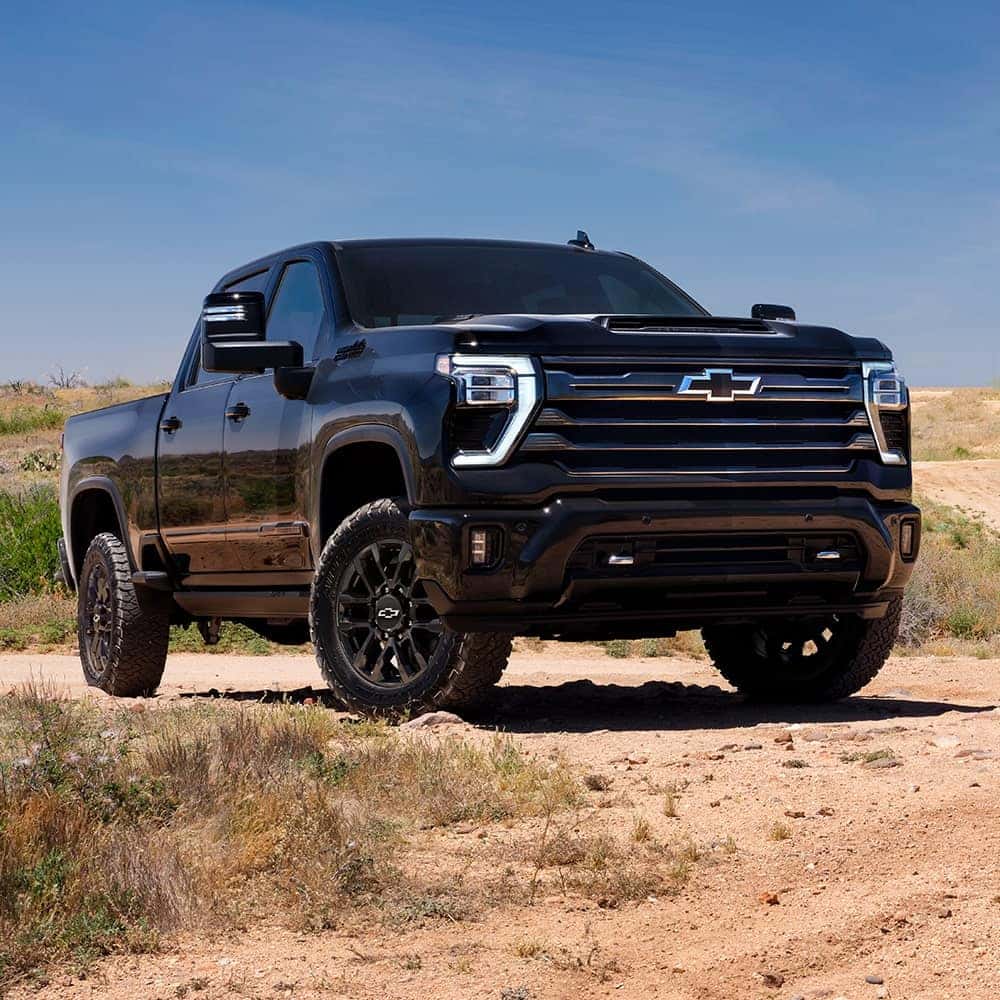
The Sierra and Silverado share the same engineering, making them similar in reliability and longevity. They use the same platforms, engines, transmissions, and parts.
The main differences are in styling, trim levels, and market position. The Sierra has more upscale interiors and quieter cabins. The Silverado is often cheaper for similar features, making it a good value.
Choosing between these GM trucks depends on your style and feature needs. Both trucks are as durable as each other, thanks to GM’s engineering. It’s about personal preference and the right trim for you.
Maintenance, common issues, and long-term experiences are similar for both trucks. If you prefer the Sierra’s look and premium feel, you’re not giving up on reliability compared to the Silverado.
Maintenance Practices to Maximize Your Sierra’s Lifespan
Keeping your Sierra in top shape can make a huge difference. It can go from 150,000 miles to 300,000 miles with the right care. Knowing which maintenance tasks are most important helps you use your time and money wisely.
Proper maintenance is more than just following the manual. It’s about paying attention to how you drive and where you live. We’ve seen many Sierras last much longer with dedicated care.
Essential Regular Maintenance Tasks
Every Sierra owner should know the basics of maintenance. These tasks prevent small problems from becoming big ones. Regular maintenance is key to keeping your truck reliable for years.
Oil Changes and Fluid Checks
Oil changes are the most important thing for your engine. Most Sierras use synthetic oil that lasts 7,500 to 10,000 miles. But, if you tow or drive in dusty areas, you might need to change it more often.
It’s not just how often you change your oil that matters. Using the right oil grade is also important. We suggest checking all your fluids monthly, including transmission and brake fluid.
Regular fluid checks can prevent wear and tear. If your fluids look dark or dirty, it’s time for a service. Our service department can check your fluids during oil changes to catch any issues early.
Tire Rotation and Alignment
Rotating your tires every 6,000 to 8,000 miles helps them last longer. Uneven wear can mean your truck is out of alignment. This can damage your suspension and make your truck pull to one side.
Trucks with regular tire rotations can get up to 20% more mileage from their tires. Alignment checks are important after hitting potholes or curbs. Keeping your tire pressure right also helps your tires wear evenly.
Brake System Inspections
Brake system checks twice a year can prevent safety hazards. Worn brake pads can damage your rotors, making a simple pad replacement expensive. It’s also important to check your brake fluid for moisture.
Most brake pads last 40,000 to 70,000 miles, depending on how you drive. Towing and city driving can wear them out faster. We recommend brake system inspections during tire rotations to check pad thickness and rotor condition.
Preventative Care for Extended Longevity
Going beyond routine maintenance can make a big difference. These services protect your truck from major problems before they happen. Investing in preventative care now saves you money in the long run.
Smart truck owners know that scheduled maintenance is the best investment. These services might seem unnecessary at first but are very important for long-term reliability. Trucks with regular maintenance tend to hold their value better.
Rust Prevention and Undercoating
Even in Texas, moisture and coastal air can cause rust. Undercoating protects your truck from moisture, debris, and chemicals. Frame rust can weaken your truck’s structure and safety over time.
We suggest annual underbody inspections to catch rust early. Applying rust-inhibiting treatments to vulnerable areas protects your investment. Trucks near the Gulf Coast benefit a lot from proactive rust prevention.
Transmission and Differential Service
Transmission fluid breaks down over time, losing its protective properties. Most manufacturers recommend transmission service every 45,000 to 60,000 miles. If you tow or drive in harsh conditions, you might need it more often.
Differential service is also important for your truck’s longevity. Fresh differential fluid prevents gear wear and bearing failure. Four-wheel-drive Sierras need attention for both front and rear differentials.
Regular transmission and differential service prevents costly failures. We’ve seen transmissions last over 250,000 miles with proper fluid maintenance. These services are smart insurance against expensive repairs.
Cooling System and Engine Care
Your cooling system keeps your engine from overheating. Coolant breaks down over time, losing its ability to prevent corrosion and transfer heat. Most manufacturers recommend coolant flushes every 100,000 miles or five years.
Replacing your thermostat around 100,000 miles prevents temperature issues. A stuck thermostat can cause overheating or prevent the engine from reaching proper temperature. Both conditions reduce engine efficiency and accelerate wear.
Regular cooling system inspections include checking hoses for cracks, testing radiator cap pressure, and monitoring coolant condition. Our technicians examine the entire cooling system during routine services to catch any failures early. Proper cooling system maintenance keeps your engine at consistent temperatures, maximizing your Sierra’s lifespan.
| Maintenance Task | Normal Interval | Severe Conditions | Impact on Longevity |
|---|---|---|---|
| Engine Oil Change | 7,500-10,000 miles | 5,000-6,000 miles | Critical for engine protection |
| Tire Rotation | 6,000-8,000 miles | 5,000-6,000 miles | Extends tire life 20% |
| Transmission Service | 45,000-60,000 miles | 30,000-40,000 miles | Prevents costly failures |
| Coolant Flush | 100,000 miles | 75,000 miles | Maintains engine temperature |
Following a detailed maintenance schedule tailored to your driving habits can make a huge difference. Our service department at Ron Carter Chevy GMC offers expert care with genuine parts and factory-trained technicians. Schedule your next maintenance appointment today to protect your Sierra’s long-term reliability.
Discover Reliable GMC Sierras at Our Alvin Dealership
Knowing how long GMC Sierras last is key to a smart buy. These trucks offer great value with the right care and support.
At Ron Carter Chevy GMC, we cater to Alvin, TX, and nearby areas. Our wide selection of new and pre-owned Sierras is ready for you. Our team is well-versed in each model, helping you find the perfect truck for your needs and budget. Check out our GMC Sierra 2500 for sale for heavy-duty options built to last.
Our service department is dedicated to keeping your Sierra running strong. We aim to help your truck reach 200,000 miles and more. Our experts provide the care your truck needs to last.
Stop by 3205 FM 528 Rd, Alvin, TX 77511 to see our Sierra lineup. Our team is ready to answer your questions, set up a test drive, or discuss maintenance. Call us at (281) 824-3663 to talk to a knowledgeable representative.
We see ourselves as your partner in owning a Sierra. Whether it’s your first or you’re keeping one for years, we’re here to help. We offer the expertise and support to make your truck last as long as possible.
FAQ
How many miles can I expect my GMC Sierra to last?
GMC Sierras can last between 200,000 to 300,000 miles with proper care. Many have gone over 400,000 miles. The truck’s lifespan depends on maintenance, driving conditions, and usage. Consistent maintenance and addressing small issues early are key to helping your Sierra last longer.
What is the average lifespan of a GMC Sierra in years?
GMC Sierras typically last 15 to 20 years with regular use. This assumes 12,000-15,000 miles per year. Many owners at our Alvin dealership have driven their trucks well beyond this. The truck’s longevity also depends on annual mileage and maintenance. Our service center helps keep your Sierra in top shape.
Which GMC Sierra generation lasts the longest?
The GMT900 (2007-2013) and K2XX (2014-2018) platforms are known for their durability. They benefit from improved engineering and materials. The GMT800 (1999-2006) is also durable, thanks to its simplicity. The newest T1XX (2019-present) shows promising reliability but hasn’t been on the road long enough for long-term data.
How does GMC Sierra reliability compare to Ford F-150?
GMC Sierras and Ford F-150s have similar reliability. The Sierra’s steel construction offers durability, while the F-150’s aluminum body saves weight. Both can easily reach 200,000 miles with proper care. At Ron Carter Chevy GMC, we’ve seen both trucks last long with good maintenance. The Sierra’s robust frame and GM’s V8 engines give it an edge.
What maintenance does a GMC Sierra need to last 300,000 miles?
To reach 300,000 miles, regular maintenance is key. This includes oil changes every 5,000-7,500 miles, transmission fluid changes, and differential service. Coolant and brake system checks are also important. At our Alvin service center, we help Sierra owners maintain their trucks to ensure they last a long time.
Are higher mileage GMC Sierras worth buying?
Yes, higher mileage GMC Sierras can be worth it if well-maintained. We evaluate each Sierra at Ron Carter Chevy GMC based on its history and condition. A well-kept Sierra with 150,000 miles can be better than a neglected one with 75,000 miles. Look for service records and evidence of regular maintenance. Our team can assess any Sierra’s condition and lifespan.
What is the most reliable GMC Sierra engine?
The 5.3L V8 engine is known for its reliability in the Sierra lineup. It often goes over 300,000 miles with proper care. The 6.0L V8 also has a strong reliability record, mainly in heavy-duty use. The 6.2L V8 in newer Sierras offers both performance and durability. Diesel engines are also long-lasting but need specialized care. Our dealership helps buyers understand engine longevity based on use and maintenance.
How often should I service my GMC Sierra transmission?
Service your Sierra’s transmission every 50,000 miles for optimal longevity. Regular service prevents premature wear and ensures smooth shifting. At Ron Carter Chevy GMC’s service center, we use GMC-approved fluids and filters for your transmission’s care.
Does the GMC Sierra last longer than the Chevrolet Silverado?
GMC Sierras and Chevrolet Silverados share the same platform, engines, and transmissions. This means they have similar reliability and longevity. The main differences are in styling, features, and trim levels. At Ron Carter Chevy GMC, we offer both brands. You can expect similar longevity from either truck with proper maintenance.
What are common problems with high-mileage GMC Sierras?
High-mileage GMC Sierras may face issues like Active Fuel Management problems, transmission wear, and suspension wear. Older models might have instrument cluster failures or transmission issues if not maintained. Most problems are preventable with proper maintenance. Our service team in Alvin has experience addressing these concerns and helping keep high-mileage Sierras running reliably.
How does climate affect GMC Sierra lifespan in Texas?
Texas climate is good for GMC Sierras in some ways but challenging in others. The lack of road salt reduces rust concerns. However, intense heat and humidity can wear down rubber and electrical systems. UV exposure can damage exterior trim and paint. For Gulf Coast owners, humidity and salt air can cause corrosion. Regular washing and proactive cooling system maintenance are recommended.
Should I buy a new or used GMC Sierra for longevity?
Both new and used GMC Sierras can offer long-term value. A new Sierra comes with a full warranty and the latest safety features. A well-maintained used Sierra offers better initial value and reliable service. Our sales team can help you decide based on your budget and longevity needs. Either option can provide excellent longevity with proper care.
What rust prevention should I do for my GMC Sierra?
While Texas doesn’t face severe rust challenges, prevention is key. Regular washing removes dirt and debris that traps moisture. For coastal or work environments, undercoating provides extra protection. Addressing paint chips and scratches promptly prevents rust. Our service center in Alvin offers rust prevention treatments and inspections for any corrosion concerns.
How important is using OEM parts for GMC Sierra longevity?
Using GMC OEM parts is vital for your truck’s reliability and longevity. OEM parts fit and function perfectly, ensuring durability. While aftermarket parts may save money, they can be inconsistent in quality. For critical components, OEM parts are the best choice. Our parts department at Ron Carter Chevy GMC stocks genuine GMC parts, and our technicians ensure proper installation for maximum longevity.
Can aggressive driving reduce my GMC Sierra’s lifespan?
Yes, aggressive driving can shorten your Sierra’s lifespan. Hard acceleration, braking, and rapid starts wear down the engine and other components. Frequent towing or heavy payloads also accelerate wear. Smooth driving habits can extend your Sierra’s life and reduce maintenance costs. It’s all about how you drive.

0 comment(s) so far on How Long Do GMC Sierras Last?